We’re Hiring: Storefront & Programs Manager

Do you enjoy working with local food and the people who grow it?
Do you care about building community through everyday actions?
Are you looking for work that feels meaningful at the end of the day?

The Lillooet Agriculture and Food Society (LAFS) is hiring a Storefront & Programs Manager to support the Lillooet Grown Storefront—a community-based food hub located in the HUB building in Lillooet.

This role combines hands-on storefront management with meaningful community food programming. It’s a great fit for someone who values local food systems, food access, and community connection, and who enjoys both practical operations and people-centred work.

This is not a typical retail position. It’s a role with real responsibility, mentorship, and room to grow as programs and funding expand.

What You’ll Do

Run a Welcoming Community Food Hub

Keep the storefront organized, inviting, and running smoothly while supporting local farmers, food producers, and artisans.

Bring Community Food Programs to Life
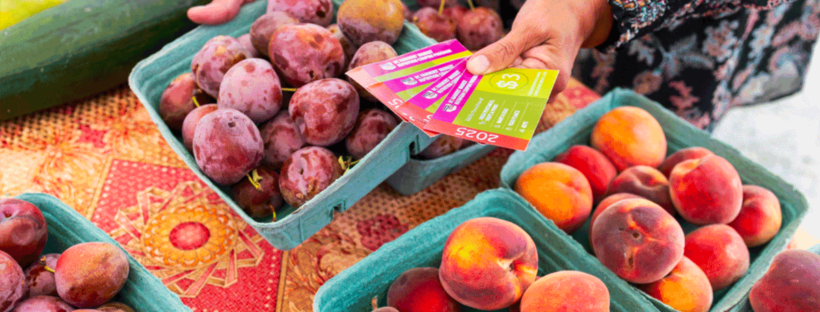
Help deliver food access initiatives like the BCAFM Nutrition Coupon Program, and support workshops, community meals, and harvest dinners that bring people together.

Keep Systems Flowing & Growing
Support basic administration, documentation, and planning while helping improve systems that keep programs accountable and sustainable.

Who This Role Is For

We’re looking for someone who is organized, dependable, and enjoys working with people. You don’t need to know everything already—what matters most is curiosity, care, and a willingness to learn.

Experience in retail, nonprofit work, community programs, or food systems is an asset, but not required.

Why Work With Us

The Lillooet Grown Storefront exists to support local producers, strengthen food access, and build community resilience. This role offers meaningful work, hands-on experience across operations and programming, and the opportunity to grow with a values-driven organization.

It’s a strong foundation for someone interested in community food systems, nonprofit leadership, or agricultural program management.

Position Details

Hours: Approximately 30 hours per week (with potential to grow)
Wage: Starting at $25 per hour
Location: Lillooet, BC
Start Date: Immediate, with flexibility for the right candidate

How to Apply

Please submit a brief cover note and resume outlining your interest and relevant experience to:

lillooetagricultureandfood@gmail.com

Applications will be reviewed as they are received.
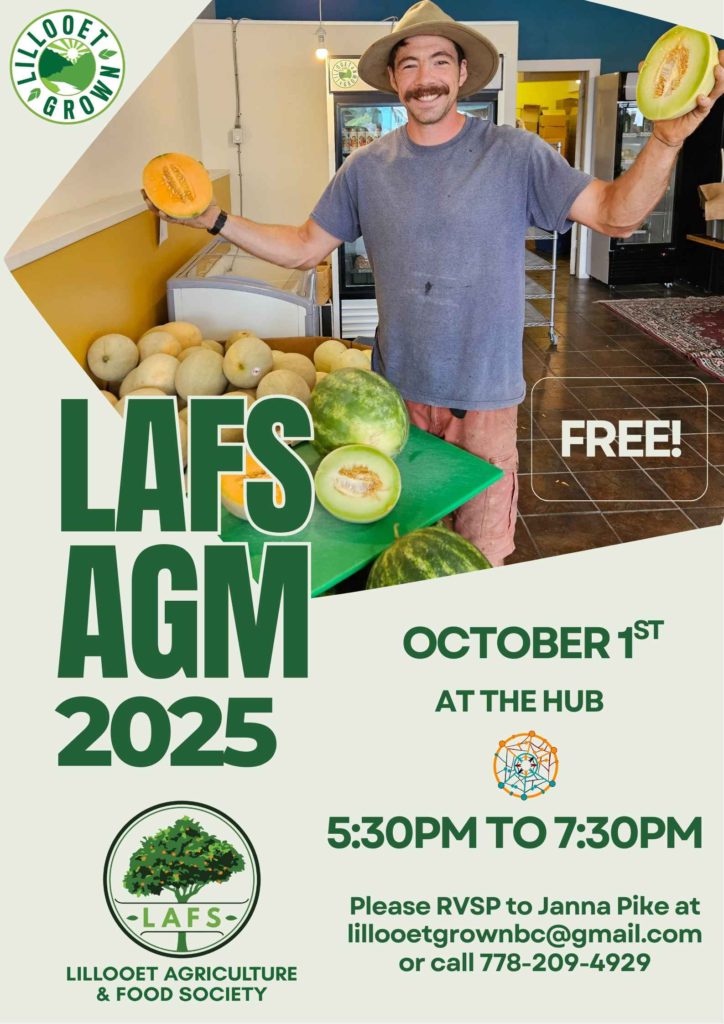
LAFS AGM 2025 🌱

The Lillooet Agriculture & Food Society (LAFS) invites community members to join us for our Annual General Meeting.

📅 October 1, 2025
5:30 PM – 7:30 PM
📍 The Hub, Lillooet
🎟 Free to attend

Come hear updates on LAFS activities, connect with local growers and food advocates, and take part in shaping the future of food and agriculture in our region.

Please RSVP to Janna Pike at lillooetgrownbc@gmail.com or call 778-209-4929.

We look forward to seeing you there!

LAFS 2024 AGM Minutes Now Available

The minutes from the LAFS Annual General Meeting held on October 24, 2024 (via Zoom) are now available to members. The meeting included the adoption of the agenda, approval of the 2023 AGM minutes (with amendments), presentation of the Executive Director’s Annual Report and the Treasurer’s Financial Report, confirmation of board members continuing in their roles, and a discussion on upcoming opportunities, including a planned tour of new slaughter facilities with Spray Creek Ranch.

Members are encouraged to review the full minutes for bellow.

Electoral Area B Agricultural Zoning Updates

Electoral Area B is in the process of updating zoning bylaws to be in alignment with the Provincial regulatory framework. These changes supported by the Agricultural Advisory Committee (AAC) will be better suited to our unique regional attributes.

There are two sets of key content changes:

  • Zoning: The ALR land has not been properly zoned in Area B; the proposed updates seek to address this issue by creating new AGR zones and appropriately zoning parcels that are partially or fully within the ALR.
  • Compliance with Regulations: Bringing the bylaw into alignment with Provincial regulations, including provisions for gathering for an event, agri-tourism, cannabis production, and residential use.

    Please see the SLRD’s Project Overview page for more information and ongoing updates. 

Connect at the Hub

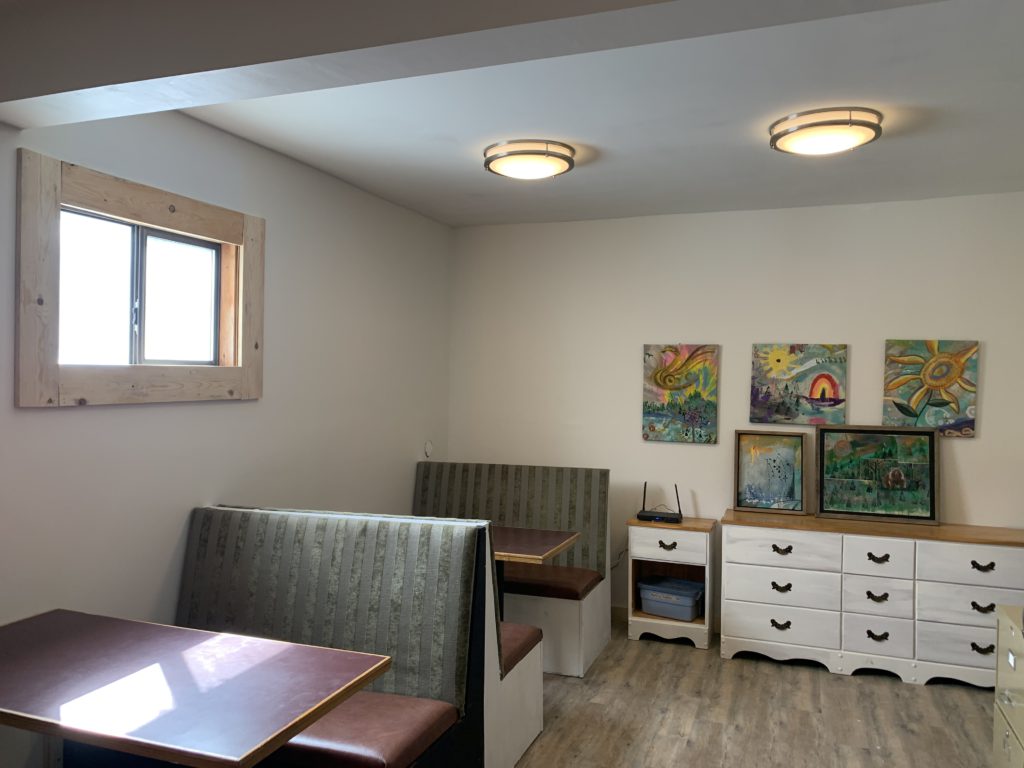
Connect with our community partners at the Hub! We are so grateful to have access to a new collaborative office space at the Hub 633 Main Street. LAFS along with many other community partners will be sharing this new office space. LAFS will be having open office hours where we can connect and meet in person to discuss ideas, share recipes, and more.

More information and schedule details to come, watch this space and our social media to learn more!

New Regional Business Liaison

In response to the challenges posed to small businesses and organizations by the COVID-19 pandemic the Squamish-Lillooet Regional District (SLRD), in partnership with Northern Development Initiative Trust (NDIT), has created the Regional Business Liaison position to provide support to small businesses and non-profits.

Meet, Mandy Rousseau, the new Regional Business Liaison for the next year.

Mandy is here to help businesses and non-profits navigate the supports available during the pandemic and the following recovery period. She will provide one-on-one assistance to businesses and work in cooperation with different economic development organizations, to find and access the best available supports from Federal, Provincial, or other sources.

About her role, Mandy says:

“My one—year term is to act as a conduit between economic development teams, chambers of commerce, and the businesses, organizations, and associations that need support. With so much information and so many resources being announced regularly, I understand it can be tough to navigate the economic recovery relief programs. I am available to those who may need assistance sifting through all the relief programs and finding those that they are most eligible for.”

For farmers, this service can save invaluable time that could be spent doing a thousand other things during this busy season! The position is funded by a grant administered by the NDIT, and will last until June 2022. Take advantage and connect with Mandy through the contact details provided.

Farm & Ranch Safety During Wildfires

The worsening fire season in British Columbia creates many challenges for farms and ranches. Given the current State of Emergency declared by the BC government and the prospect of possibly facing mass evacuations in the interior, it is important to share helpful resources and information. Though a lot of fire mitigation needs to be done before the start of fire season, there is much that can still be done now to protect properties and the people and animals that live on them.

The Climate & Agriculture Initiative (CAI) of BC supplies a well of resources for farmers and ranchers to help them protect their operations.

Know the types of ignition

In general, there are three types of ignition:

  1. Ember Ignition
  2. Radiant Heat
  3. Direct Flame

Ember ignition happens when embers from a nearby fire land on flammable material and catch fire. The best way to mitigate this is to find and eliminate ember traps on your property. Ember traps include:

  • Dry, built up vegetation
  • Dry Grass
  • Sawdust or wood shavings
  • Cardboard boxes
  • Or other buildups of flammable material

If dry grass catches near garbage piles, it can easily light the garbage on fire and spread to buidlings.

Radiant heat and direct flame require fuel pathways. An example could be a barn catching fire from direct flame from a tree, and the fire moving along a fence line to another structure.

Actions you can take

  • Get updates from the SLRD here to keep you immediately informed about the situation in our area.
  • Remove any possible ember traps from your property; rake, pile, and water dry vegetation.
  • Weedwack and mow around your property to reduce the ease of fire spreading through grass.
  • Glean your roof and gutters of debris.
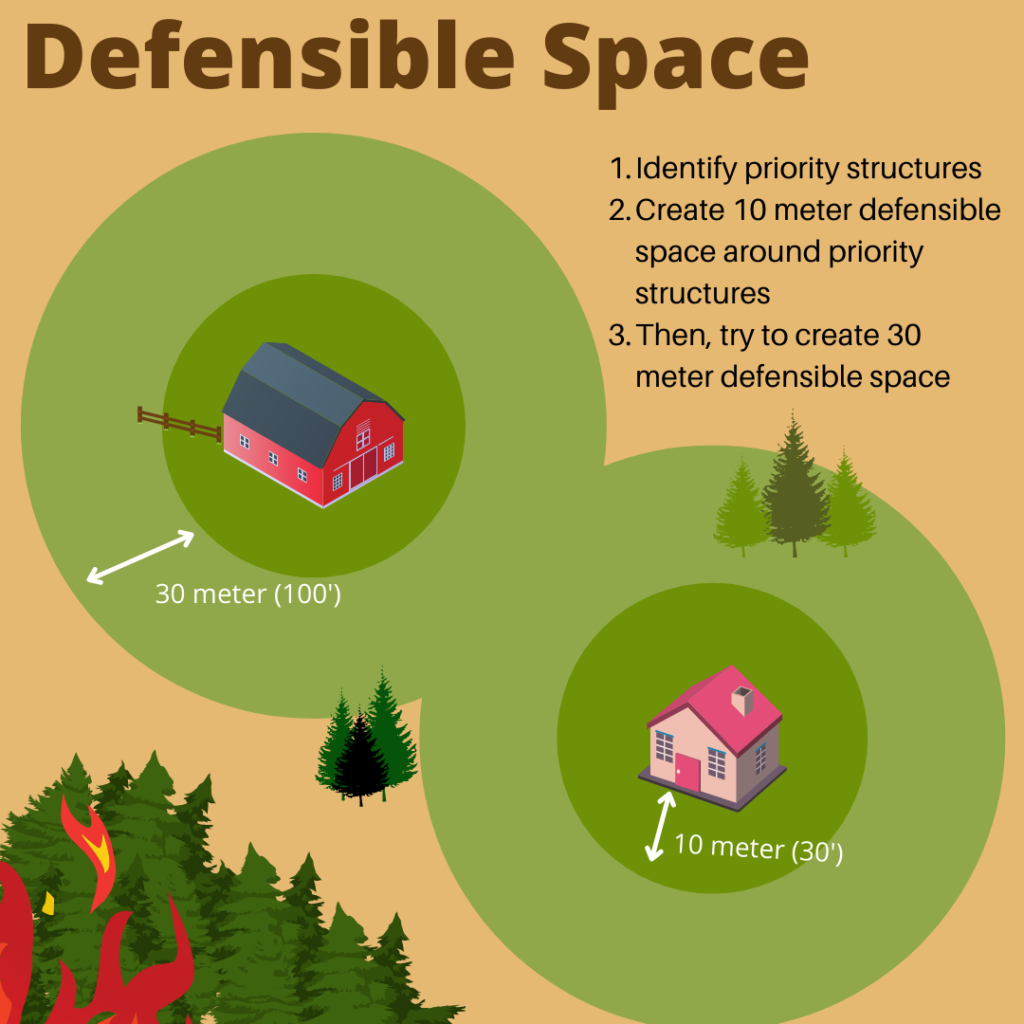
  • Identify which structures on your property are the most important to protect (priority structures).
  • Create first a 10 meter definable area around priority structures, then a 30 meter defensible area. (see the infographic below)
  • Hang plastic over openings to barns, porches, etc.
  • Ideally, create a 1.5 meter non-combustible surface around priority structures (i.e. gravel, concrete)
  • Mark waterlines.
  • Create a wildfire evacuation plan.
  • If you must evacuate, leave gates open. This serves two purposes: it reduces the risk of fires spreading along a fence line (if you have a wooden fence/gate) and it allows your animals to escape.

Resources

The CAI provides a great resource for wildfire preparedness specifically for Farmers and Ranchers.

A fillable pdf with which you can plan how best to take care of your facility in the event of a wildfire. The workbook was developed by the CAI with the help of producers across the province to help farmers and ranches deal with the unique challenges they face with regards to wildfires.

Watch the CAI video about the workbook.

  • Creating an operations map

Part of the Wildfire plan workbook includes creating a map of your operation. Such a map helps share key information quickly and effectively with first responders. 

This video will help you understand how best to do this.

  • Reduce threat to farm assets video

Other resources can be found on the BC Fire Smart website https://firesmartbc.ca/

BC Premises Identification Program

The Premises ID Program

Since 2011, the B.C. Ministry of Agriculture, Food, and Fisheries (MAFF) has offered voluntary premises ID registration for anyone with animals. Registering for a Premises ID is a way for farm animal owners and site operators to protect the health and safety of their own animals and other animals in B.C.

What is the Premises ID?

The premises ID is a 9-digit code attached to a specific geographic area in which animals are kept.  It is one of the pillars of the BC animal traceability system. The premises ID contains the following information about the location:

  • Legal land description 
  • Geo-coordinates (e.g. latitude and longitude) 
  • Emergency contact information 
  • Premises type (e.g. ranch or feedlot) 
  • Animal type (e.g. list of all animal types on the premises)
  • Maximum animal capacity (gives an idea of the scale)

Regulation

Starting in 2022 it will be mandatory for a premises where one or more animals (please visit site here for full list of types of animals) are either kept or assembled to be registered with the Premises ID program.

The regulation will not be strictly enforced by the BC government but instead program staff will focus on education and outreach combined with cross-compliance measures to encourage premises ID registration.

However, according to the Policy Intentions Paper, animal owners will be increasingly required to provide their premises ID number to access funding and (or) government services, or to obtain or renew certain licenses issued by MAFF or other provincial government agencies.

Who can register?

Anyone who keeps animals can and should register for a premises ID. This includes everyone, from a person keeping a single horse as a pet, to a full scale, industrialized operation.

Why Register?

The Premise ID is used to improve the response to disease outbreaks or natural disasters. The information contained in the premise ID can be used by emergency responders to locate farm animals, notify and communicate with farm owners/operators, estimate animal numbers for evacuation planning, and facilitate the re-entry process for operators/owners in affected areas. Premise ID information was used during the 2017-2018 wildfire season and significantly reduced the death of animals.

It increases the ability of the Ministry of Agriculture to coordinate and collaborate with other provincial agencies and local authorities involved in environmental emergency response efforts.

How to Register

You can either complete the application

  • Online
    • Have ready
      • Legal Business Name of your business enterprise (if applicable)
      • Location details, preferably the BC Land Titles Parcel ID, of your primary premises
      • Primary contact information regarding the different species located on your premises
  • Or download the paper pdf

Submit the completed forms

By Mail:

BCPID, Ministry of Agriculture
1767 Angus Campbell Road
Abbotsford, BC V3G 2M3

By Email:

BCPID@gov.bc.ca

For all the information on the program, check out: